Best Kilimanjaro acclimatization Join with Friends
- Trip Overview
- Trip Itinerary
What's included
- All meals included
- All mentioned activities
- All park entrances fees
- Lunch box
- Medically qualified mountain guides, cooks and porters
- Oxygen Cylinder
- Professionally guided tour
- Alcoholic and soft drinks
- Entry visa for Tanzania
- Laundry Services
- Other International flights
- Personal expenses
- Services not specifically stated in the itinerary
- Tips to mountain crew
6 Days Rongai Route Camping | Kilimanjaro Trek
Overview
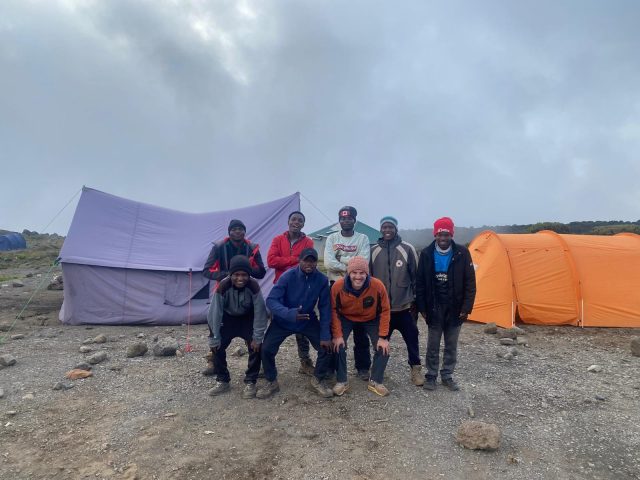
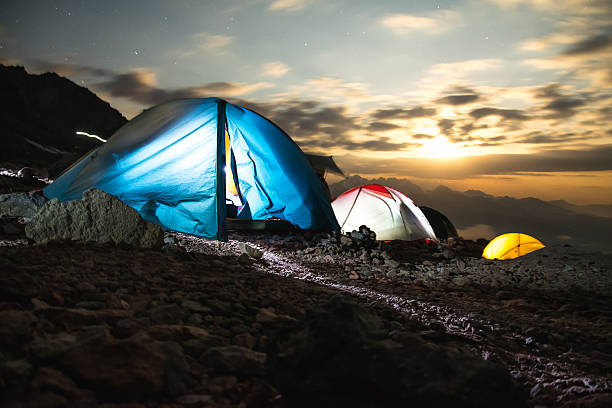
The 6 Days Rongai Route Camping trek is a scenic and adventurous way to climb Mount Kilimanjaro from its quieter northern side. Instead of staying in mountain huts, the Rongai Route gives trekkers a genuine camping experience, spending nights in tents surrounded by Kilimanjaro’s changing landscapes.
Starting from Rongai Gate, the journey gradually climbs through forest, heath and moorland before reaching the dramatic landscapes around Mawenzi and the alpine terrain near Kibo. The adventure reaches its highest point with a summit attempt to Uhuru Peak at 5,895 metres, the highest point in Africa.
Camping adds something special to this route. After each day’s trek, you arrive at camp, enjoy a warm meal prepared by the mountain crew and rest beneath the Kilimanjaro sky before continuing the journey the following morning.
With Kilinge Adventures, the trek combines mountain adventure, organized camping logistics, experienced guides and support from the mountain crew throughout the six-day journey.
6 Days Rongai Route Camping Tour Facts
| Tour Detail | Information |
|---|---|
| Duration | 6 Days / 5 Nights |
| Route | Rongai Route |
| Mountain | Mount Kilimanjaro |
| Starting Point | Rongai Gate |
| Finish Point | Marangu Gate |
| Highest Point | Uhuru Peak – 5,895 m |
| Accommodation | Mountain camping |
| Difficulty | Moderate to challenging |
| Main Experience | Camping & high-altitude trekking |
| Summit Day | Day 5 |
| Best Time | January–March & June–October |
| Suitable For | Adventure travelers, couples, friends and groups |
What Is the Rongai Route Camping Experience Like?
Camping on Kilimanjaro is very different from ordinary campsite holidays. Each day, you trek from one designated mountain campsite to another while the support crew helps manage the camp logistics.
Your tent becomes your temporary home on the mountain.
In the evening, you can settle into camp, change into warmer clothing, enjoy your meal and prepare for the following day’s trek. Mornings begin with breakfast and packing your personal belongings before continuing higher.
As the altitude increases, the camping environment changes dramatically. The greener surroundings of the lower mountain gradually disappear, replaced by open moorland, rugged volcanic landscapes and eventually the cold alpine environment around Kibo.
What to Expect at the Camps
Camping is part of the adventure, but it is important for travelers to know that this is high-altitude mountain camping, not luxury lodge accommodation.
| Camping Feature | What to Expect |
|---|---|
| Sleeping | Mountain tents at designated campsites |
| Meals | Meals prepared during the trek |
| Temperature | Nights become progressively colder at higher elevations |
| Facilities | Basic mountain campsite facilities |
| Electricity | Limited or unavailable |
| Internet | Connectivity may be limited or unavailable |
| Water | Managed according to the mountain itinerary and available sources |
| Luggage | Porters assist with designated expedition equipment/luggage |
| Environment | Remote mountain conditions |
Exact facilities and equipment can vary, so travelers should confirm their package arrangements before departure.
What to Pack for Rongai Camping
For a six-day camping trek, important equipment includes:
- Waterproof trekking boots
- Warm sleeping bag suitable for mountain conditions
- Thermal base layers
- Fleece or insulated mid-layers
- Warm insulated jacket
- Waterproof jacket and trousers
- Warm hat and sun hat
- Insulated gloves
- Trekking socks
- Headlamp and spare batteries
- Sunglasses
- Trekking poles
- Daypack
- Water bottles or hydration system
- Personal toiletries
- Sun protection
- Personal medication and basic personal supplies
A complete packing list should be provided before your climb so you have time to prepare properly.
Best Time for 6 Days Rongai Route Camping
| Months | General Conditions | Camping Experience |
|---|---|---|
| January – March | Generally drier and relatively warm | Excellent |
| June – August | Dry but colder | Excellent |
| September – October | Generally dry and stable | Excellent |
These periods are popular because generally drier conditions can make trekking and camping more comfortable. However, Kilimanjaro is a high mountain, and weather can change quickly at any time.
Who Should Choose the Rongai Camping Route?
This experience can be particularly suitable for travelers who enjoy outdoor adventures and don’t mind exchanging hotel comforts for mountain scenery.
It is especially attractive for:
- Travelers seeking a quieter Kilimanjaro route
- Outdoor and camping enthusiasts
- Couples and friends looking for an adventure
- Solo travelers joining an organized trek
- Private groups
- Photographers and nature lovers
- Trekkers interested in the northern side of Kilimanjaro
Why Choose Kilinge Adventures?
A camping trek requires good organization behind the scenes. While you concentrate on walking and enjoying Kilimanjaro, the mountain team handles much of the daily expedition logistics.
With Kilinge Adventures, the focus is on providing an organized, supportive and memorable Kilimanjaro experience through experienced mountain personnel, planned camping arrangements, meals and trekking support.
We want you to remember more than just the summit—the quiet mornings, the changing landscapes, Mawenzi towering above camp, conversations with your mountain team and the feeling of waking up each day a little higher on Kilimanjaro.
Frequently Asked Questions
Is the 6 Days Rongai Route a camping route?
Yes. The Rongai ascent is primarily a camping route, with trekkers staying in tents at designated mountain campsites.
Do I need to bring my own tent?
This depends on the package you book. When camping equipment is included, the operator arranges the relevant tents. Always confirm the exact equipment included before traveling.
Is camping on Kilimanjaro cold?
Yes, particularly as you reach higher elevations. Temperatures can become very cold at night, making appropriate thermal clothing and a suitable sleeping bag essential.
Are there showers at the camps?
Trekkers should expect basic mountain conditions rather than hotel-style facilities. Your operator should explain the specific hygiene and washing arrangements provided for your trek.
Can beginners choose the Rongai camping route?
Yes, physically prepared beginners can attempt Rongai. However, high altitude remains a serious challenge regardless of previous trekking experience.
Does the six-day camping itinerary reach Uhuru Peak?
The itinerary includes a summit attempt to Uhuru Peak at 5,895 m, subject to the trekker’s health, weather and mountain conditions.
Where does the trek finish?
After the summit attempt, the descent follows the Marangu side and the trek finishes at Marangu Gate.
Camp Beneath Kilimanjaro. Wake Up to Adventure.
Imagine finishing a day’s trek, settling into your tent beneath Kilimanjaro and waking the following morning surrounded by a completely different mountain landscape.
The 6 Days Rongai Route Camping trek combines that wilderness experience with the ultimate challenge of attempting to reach Uhuru Peak at 5,895 metres.
Join Kilinge Adventures and experience six unforgettable days of trekking, camping and adventure on Mount Kilimanjaro.
Book this Tour with Kilinge Adventures
Apart from this, you may read and write some reviews for us from Safari Bookings.
- Day 1
- Day 2
- Day 3
- Day 4
- Day 5
- Day 6