Best Kilimanjaro acclimatization Join with Friends
- Trip Overview
What's included
best training program for Kilimanjaro summit preparation
Preparing for Mount Kilimanjaro is essential for a successful summit attempt. Although Kilimanjaro is not a technical climb, the altitude, long hiking days, and steep terrain require solid physical preparation. The best training program focuses on building endurance, strength, flexibility, and hiking experience so your body can adjust to long days on the trail and the lower oxygen levels at high altitude.
A minimum of 8–12 weeks of training is recommended for anyone planning to climb Kilimanjaro, regardless of fitness level.
Why Training Matters
Kilimanjaro reaches 5,895 meters, where oxygen levels drop significantly. Proper fitness preparation helps in several ways:
-
Increases stamina for daily hikes of 5–12 hours
-
Strengthens muscles for steep climbs and descents
-
Helps the body adapt to altitude stress
-
Reduces fatigue, muscle soreness, and injury risk
-
Improves your summit success rate to over 90%
-
Ensures a safer and more enjoyable experience overall
Key Elements of the Best Training Program
Cardiovascular Conditioning
Cardio forms the foundation of Kilimanjaro training, improving lung capacity and endurance.
Recommended cardio exercises:
-
Hiking with elevation gain
-
Jogging or brisk walking
-
Cycling
-
Stair climbing
-
Swimming
-
Elliptical training
Frequency:
3–5 sessions per week, each lasting 45–60 minutes.
Strength Training
Strength supports your body during long climbs, especially when carrying a daypack.
Main focus areas:
-
Legs: squats, lunges, step-ups, deadlifts
-
Glutes: hip thrusts, split squats
-
Core: planks, crunch variations, leg raises
-
Upper body: pushups, rows, dumbbell presses
Frequency:
2–3 sessions per week.
Flexibility and Mobility
Flexibility improves range of motion and reduces the risk of injury during the climb.
Include routines such as:
-
Hamstring and calf stretches
-
Hip flexor mobility
-
Lower back stretches
-
Shoulder and neck mobility
-
Gentle yoga or stretching sessions
Frequency:
10–15 minutes after every workout.
Hiking Practice
Practical hiking experience is the most important part of Kilimanjaro training.
Key guidelines:
-
Complete 1 practice hike per week
-
Choose trails with hills and uneven ground
-
Increase distances gradually (10 km → 15 km → 20 km)
-
Wear your actual hiking boots
-
Train with a backpack of 5–10 kg
Hiking prepares your muscles, mental stamina, and feet for real mountain conditions.
Altitude Preparation (Optional but Helpful)
If you live near mountains or have access to altitude facilities, this can help your body adapt.
Options include:
-
High-altitude hikes
-
Stair machines on high resistance
-
Altitude masks
-
Sleeping at elevation (if possible)
These methods improve breathing efficiency and resilience.
Recommended 8–12 Week Kilimanjaro Training Program
Weeks 1–4: Building the Base
-
3 cardio sessions (45 minutes each)
-
2 strength workouts
-
1 weekend hike (8–12 km)
-
Basic stretching after workouts
Weeks 5–8: Increasing Endurance
-
4 cardio sessions (45–60 minutes)
-
2 strength sessions focused on legs and core
-
1 long hike (12–18 km) with 5 kg pack
-
More elevation gain on hikes
Weeks 9–12: Summit-Level Preparation
-
3–4 cardio sessions of higher intensity
-
2 stronger leg-focused strength sessions
-
1 long hike (18–25 km) with 7–10 kg pack
-
A back-to-back hiking weekend for stamina
-
Continue flexibility training daily
Additional Tips for the Best Kilimanjaro Training Success
Use Proper Gear While Training
-
Train wearing your summit boots
-
Use the same daypack you’ll carry on the trek
-
Add weight gradually
Practice a Slow Pace
Kilimanjaro success relies on “pole pole” (slowly, slowly).
Train to walk at a controlled, steady pace.
Focus on Hydration and Nutrition
-
Drink 2–3 liters during training hikes
-
Practice eating energy-boosting snacks
Build Mental Strength
-
Train in early mornings
-
Complete long hikes even when tired
-
Practice breathing and pacing techniques
Avoid Overtraining
Your body needs recovery to prevent injuries and burnout.
Who This Training Program Is Designed For
-
First-time climbers
-
Moderate fitness individuals
-
Anyone preparing for Machame, Lemosho, Rongai, Marangu, or Northern Circuit routes
-
Climbers wanting better endurance and summit confidence
-
Trekkers needing structure and routine before their climb
Conclusion
The best training program for Kilimanjaro summit preparation focuses on a balanced combination of cardio endurance, strength building, mobility, and consistent hiking practice. With a structured 8–12 week plan, you can significantly improve your fitness, confidence, and summit success rate. Proper preparation is the key to enjoying your climb and reaching Uhuru Peak safely and successfully.
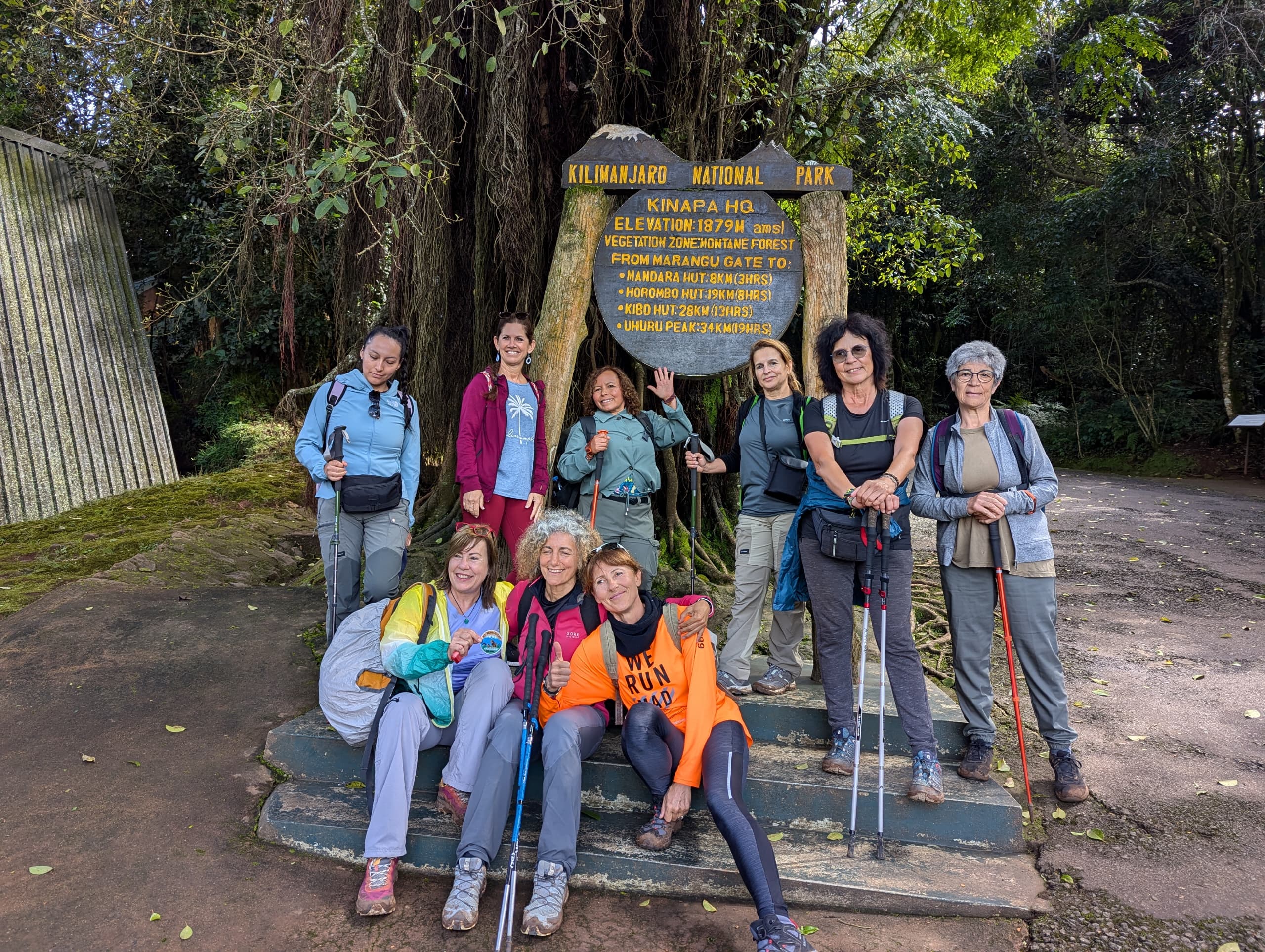
Book this Tour with Kilinge Adventures
Apart from this, you may read and write some reviews for us from Safari Bookings.