Best Kilimanjaro acclimatization Join with Friends
- Trip Overview
What's included
Kilimanjaro climbing for families with kids
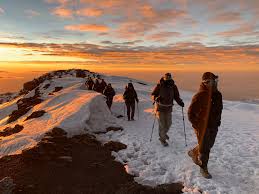
Kilimanjaro climbing for families with kids is becoming more popular every year as more adventurous parents realize that summiting Africa’s highest peak is an incredible bonding experience. While Mount Kilimanjaro is challenging due to altitude, cold temperatures, and long trekking days, it is absolutely possible for families with children—especially those aged 10 and above—to successfully complete the journey with the right preparation and a reliable tour operator.
The key is choosing the correct route, pacing the climb properly, and ensuring your child feels motivated, comfortable, and supported throughout the trek. Many families describe the experience as life-changing and incredibly rewarding, not only because of the achievement but also because of the environmental education and personal growth their children gain along the way.
Is Kilimanjaro Safe for Kids?
Kilimanjaro is generally safe for kids as long as:
-
You choose a longer itinerary for acclimatization.
-
You climb with an experienced, family-friendly operator.
-
Your child is physically prepared and mentally ready.
-
You monitor signs of altitude sickness closely.
-
You pace the trek slowly and take frequent breaks.
Children often adapt to altitude surprisingly well when given enough time to acclimatize. Many young climbers successfully reach Uhuru Peak with patience, encouragement, and the support of skilled guides who know how to work with kids on the trail.
Best Routes for Families With Kids
The best Kilimanjaro routes for families include:
Lemosho Route (7–8 Days)
The Lemosho route is the top recommended option for families because it offers gentle elevation gain, stunning scenery, and a high success rate. The longer itinerary gives kids more time to adjust.
Northern Circuit Route (8–9 Days)
This is the longest and most gradual route, making it extremely child-friendly in terms of acclimatization and comfort. It is also the quietest and most peaceful path.
Machame Route (7 Days)
Can be suitable for older kids or athletic families. A 7-day itinerary is strongly recommended to avoid rushing the acclimatization process.
Avoid the Marangu and Umbwe routes with children due to steep sections and faster ascent profiles.
Recommended Minimum Age
Although Tanzania National Parks officially allows climbers 10 years and older, many kids younger than 10 have summited through special permission. However, for safety and comfort, the ideal age range is:
-
10–12 years: Great age for manageable challenges
-
13–17 years: Excellent capability, similar success rate as adults
Ultimately, the best judge is your child’s physical fitness, mindset, and enthusiasm.
How to Prepare Your Kids for Kilimanjaro
Preparation makes a huge difference for young climbers. Before the trek:
-
Begin regular hikes as a family on weekends.
-
Practice walking with a small backpack.
-
Introduce mild cold-weather training.
-
Teach kids how to layer clothes correctly.
-
Encourage hydration habits well before the trip.
-
Explain elevation and what to expect on summit night.
Making training fun keeps kids motivated and excited for the real adventure.
Family-Friendly Packing List
Kids often carry their personal daypack, but parents must ensure they have:
-
Warm jackets, gloves, hats, and thermal layers
-
Good hiking boots, broken in before the climb
-
Sunglasses and sunscreen
-
Water bladder or bottles (children need gentle reminders to hydrate)
-
Snacks they enjoy to maintain energy and morale (fruit bars, nuts, chocolate, gummies)
-
Books, games, or cards for downtime in camp
-
Trekking poles sized correctly for kids
The right gear helps kids stay comfortable, focused, and happy throughout the trek.
Altitude and Kids: What Parents Should Watch For
Children may struggle to express discomfort clearly, so parents and guides must monitor carefully for:
-
Headache
-
Nausea or vomiting
-
Loss of appetite
-
Difficulty sleeping
-
Unusual fatigue
-
Irritability
Choose operators who bring medical equipment like pulse oximeters and supplemental oxygen and who conduct daily health checks for both adults and kids.
Why Choose a Family-Friendly Kilimanjaro Tour Operator
Choosing the right operator makes the biggest difference in your family’s experience. The best family-friendly companies provide:
-
Guides experienced in trekking with kids
-
Flexible pacing that adjusts to a child’s walking speed
-
Porters who help with extra gear or comfort items
-
Kid-friendly meal plans with foods children recognize
-
Extra safety monitoring and acclimatization support
-
Encouragement, motivation, and fun energy to keep children inspired
Great guides know how to support not only the physical journey but also the emotional journey of young climbers. They celebrate small victories, tell stories on the trail, make kids laugh, and create a memorable adventure from start to finish.
Final Thoughts
Kilimanjaro climbing for families with kids is an extraordinary experience that strengthens bonds, boosts confidence, and teaches resilience. With the right preparation, thoughtful planning, and a supportive team, families can safely enjoy one of the most iconic trekking adventures on Earth. Whether your child reaches the summit or simply enjoys the journey, the memories you create together will last a lifetime.
 Book this Tour with Kilinge Adventures
Apart from this, you may read and write some reviews for us from Safari Bookings.