- Trip Overview
- Similar Tours
What's included
- Professionally guided tour
- Visa arrangements
Kilimanjaro Trekking Tips for First-Time Climbers: Complete Guide to Prepare, Train & Summit Successfully
Discover essential Kilimanjaro trekking tips for first-time climbers and learn everything you need to prepare for a successful summit. This in-depth guide explains how to train properly, choose the best route, pack the right gear, adapt to altitude, stay healthy on the mountain, and follow proven strategies used by experienced climbers. Explore expert advice on physical preparation, mental readiness, hydration, acclimatization, clothing layers, equipment, safety measures, trekking pace, and daily routines helping beginner climbers feel confident, informed, and well-prepared to conquer Mount Kilimanjaro’s challenging yet rewarding trails.

Kilimanjaro Trekking Tips for First-Time Climbers
Climbing Mount Kilimanjaro is one of the world’s most rewarding adventures, especially for beginners experiencing high-altitude trekking for the first time. With the right preparation, guidance, and mindset, first-time climbers can safely enjoy the journey to Uhuru Peak. Understanding the most important Kilimanjaro trekking tips for first-time climbers will help you train effectively, pack smartly, and choose the route that gives you the highest chance of success.
Why Kilimanjaro Is Perfect for First-Time Climbers
Mount Kilimanjaro is one of the few high-altitude mountains where you can reach the summit without technical climbing skills. It’s a walk-up mountain, making it accessible for beginners—but the altitude, weather, and long trekking hours require proper preparation.
Essential Kilimanjaro Trekking Tips for First-Time Climbers
1. Train Early and Build Your Fitness
Training for Kilimanjaro should begin 8–12 weeks before your climb. Focus on cardio, leg strength, endurance, and long-distance hiking. Practice walking on uneven terrain and try carrying a daypack to simulate real conditions.
Key Training Tips:
-
Do weekly long hikes
-
Strengthen legs with squats, lunges, and step-ups
-
Improve stamina using running, cycling, or stair climbing
-
Train with hiking boots to break them in
2. Choose a Longer Route for Better Success
Kilimanjaro has several routes, but first-time climbers should pick a longer itinerary (7–8 days) to allow better acclimatization.
Best Routes for Beginners:
-
Lemosho Route
-
Machame Route (7 days recommended)
-
Rongai Route
-
Northern Circuit (excellent acclimatization)
Avoid short 5–6 day itineraries if it’s your first time.
3. Walk Slowly — “Pole Pole”
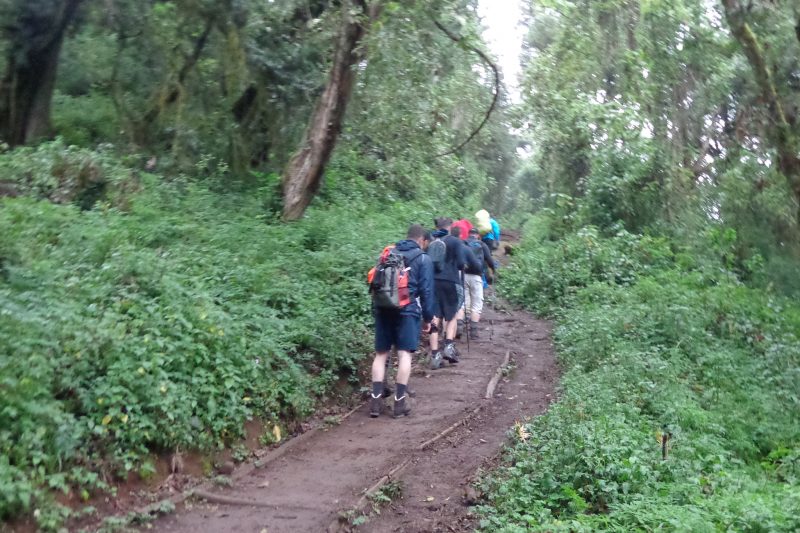
The number one rule on Kilimanjaro is hiking slowly. This reduces fatigue, saves energy, and significantly improves altitude acclimatization.
Walking Tips:
-
Take small steps
-
Follow your guide’s pace
-
Maintain steady, controlled breathing
4. Hydrate Constantly
Drinking enough water (3–4 liters daily) helps your body adjust to the altitude and reduces headaches, nausea, and dizziness.
Hydration Tips:
-
Use a hydration bladder for easy sipping
-
Add electrolytes to your water
-
Drink even when you don’t feel thirsty
5. Pack the Right Gear
Having the correct gear is one of the most important Kilimanjaro trekking tips for first-time climbers. Proper clothing and equipment ensure comfort and safety in changing weather conditions.
Essential Items:
-
Thermal base layers
-
Fleece and insulated jacket
-
Waterproof trousers and jacket
-
Warm gloves and hat
-
Comfortable trekking poles
-
Broken-in hiking boots
-
Sleeping bag rated for -10°C or lower
6. Understand Altitude Sickness
Altitude sickness is the biggest challenge on Kilimanjaro. First-time climbers should understand the symptoms and how to manage them.
Common Symptoms:
-
Headache
-
Fatigue
-
Loss of appetite
-
Nausea
-
Shortness of breath
Prevention Tips:
-
Climb slowly
-
Hydrate more
-
Eat well
-
Take acclimatization hikes
-
Consider consulting your doctor about Diamox
7. Eat Well and Maintain Energy
Even if you lose appetite, eat enough calories to stay energized. Tour operators provide plenty of nutritious meals, including soup, rice, pasta, vegetables, fruits, and snacks.
Food Tips:
-
Carry energy bars
-
Eat snacks during breaks
-
Choose meals high in carbohydrates
8. Wear Clothing in Layers
Kilimanjaro has multiple climate zones, so layering is essential to regulating your body temperature.
Layering Guide:
-
Base layer (moisture-wicking)
-
Mid-layer (fleece or softshell)
-
Outer layer (windproof, waterproof)
9. Keep a Positive Attitude
Mental strength is just as important as physical preparation. A positive mindset helps you push through tough moments, especially during the final summit push.
Mental Tips:
-
Stay focused on each step
-
Trust your guides
-
Celebrate daily achievements
10. Listen to Your Guides
Your mountain guides are trained professionals who understand the terrain, altitude, weather conditions, and safety protocols. Follow their instructions at all times.
Bonus Tips for First-Time Climbers
-
Protect yourself from the sun at high altitude
-
Keep your gadgets warm to save battery
-
Stretch every evening to reduce soreness
-
Use trekking poles to protect your knees
-
Sleep early to stay rested
-
Carry wet wipes and hand sanitizer
Conclusion
Following the right Kilimanjaro trekking tips for first-time climbers ensures you are mentally and physically prepared for Africa’s tallest mountain. Choose a longer route, train well before your adventure, pack the appropriate gear, stay hydrated, and maintain a slow, steady pace. With proper preparation and guidance, even first-time trekkers can confidently reach Uhuru Peak and enjoy the unforgettable experience of standing on the Roof of Africa.
Book this Tour with Kilinge Adventures
Apart from this, you may read and write some reviews for us from Safari Bookings.