Best Kilimanjaro acclimatization Join with Friends
- Trip Overview
- Similar Tours
What's included
best time to climb Mount Kilimanjaro for beginners
Climbing Mount Kilimanjaro is a life-changing experience, especially for first-time trekkers. As a non-technical mountain, Kilimanjaro is one of the few major peaks in the world that beginners can climb successfully with the right preparation. But choosing the best time to climb Mount Kilimanjaro for beginners is crucial for safety, comfort, and summit success. Weather conditions, trail stability, visibility, and temperature patterns change throughout the year, and selecting the right season can make the journey easier, safer, and far more enjoyable.
This guide provides everything beginners need to know about the ideal months to climb Kilimanjaro and what makes these periods perfect for first-time hikers.
Why Timing Matters for Beginner Climbers
For beginners, timing can be the difference between a comfortable climb and a difficult one. Weather affects trail conditions, altitude acclimatization, temperature changes, and even the overall trekking experience. Choosing a good season ensures safer paths, fewer rainstorms, and clearer skies, giving you the best chance of reaching Uhuru Peak successfully.
Beginners benefit greatly from dry conditions, as wet trails can become slippery, muddy, and challenging to navigate. Dry seasons also mean warmer temperatures, less cloud cover, and more predictable weather—making it easier to maintain a steady pace without unexpected weather disruptions.
Good timing also improves your acclimatization process. In better weather, your body experiences less stress, helping you adapt more smoothly to altitude changes and reducing the risk of altitude sickness. That’s why selecting the best time to climb Mount Kilimanjaro for beginners is key to both safety and enjoyment.
Best Time to Climb Kilimanjaro for Beginners
The two best seasons for beginners are:
1. January to March
These months offer warm daytime temperatures, clear skies, and fewer crowds. Conditions are stable, and the trails are dry and easy to navigate. These months are excellent for beginners because the weather is predictable, and the morning climb conditions are ideal.
2. June to October
This is the most popular season due to dry weather and excellent visibility. Beginners enjoy stable temperatures, clear mountain views, and safer trails. While there are more climbers during these months, the overall experience is extremely rewarding due to the perfect weather conditions.
Both of these seasons are dry, warm, and stable, making them the safest and most comfortable periods for beginner hikers.
Months Beginners Should Avoid
April and May – Long Rainy Season
These months should be avoided as heavy rainfall makes trails slippery, cold, and uncomfortable. Wet gear, muddy paths, and reduced visibility create tough conditions for beginners.
November – Short Rainy Season
This month also sees rain, though less than April–May. It’s still not ideal for beginners who prefer drier, more predictable conditions.
Climbing during rainy months is possible, but not recommended for first-time trekkers.
What Beginners Can Expect During the Best Climbing Months
Dry Trails and Comfortable Trekking Conditions
Walking on dry trails makes the climb easier and reduces the risk of falls or injuries.
Better Acclimatization
Stable weather helps your body adjust slowly to the altitude, reducing stress and boosting summit success rates.
Clear Views and Stunning Scenery
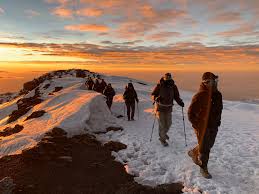
You can enjoy incredible sunrises, sunsets, glaciers, and landscapes.
Warmer Temperatures
While Kilimanjaro is always cold at the summit, the lower and middle zones are much more pleasant during the dry months.
Reliable Weather Patterns
Predictability helps beginners pace their hike and prepare properly.
Additional Tips for Beginners Choosing When to Climb
-
Choose a longer route, such as Lemosho or Machame, for better acclimatization.
-
Avoid the rainy seasons unless you have strong hiking experience.
-
Book early during June–October due to popularity.
-
Prepare proper gear even during the dry season, as summit nights are cold.
-
Train before your climb to increase comfort and reduce fatigue.
Conclusion
Choosing the best time to climb Mount Kilimanjaro for beginners is one of the most important steps in planning your adventure. The ideal seasons—January to March and June to October—offer warm weather, dry trails, clear visibility, and safer trekking conditions, all of which make the climb more manageable and enjoyable for first-time hikers. By selecting the right time of year, you increase your chances of reaching Uhuru Peak safely and creating unforgettable memories on Africa’s tallest mountain.
Book this Tour with Kilinge Adventures
Apart from this, you may read and write some reviews for us from Safari Bookings.