Best Kilimanjaro acclimatization Join with Friends
- Trip Overview
- Trip Itinerary
What's included
Marangu Route 4 Days – Best Time to Climb Mount Kilimanjaro
Discover the Best Time for a 4-Day Marangu Route Trek
Planning a 4-day Marangu Route trek requires more than choosing your travel dates. Weather conditions, trail conditions, visibility, temperatures, crowds, and seasonal rainfall can all influence your experience on Mount Kilimanjaro.
The Marangu Route can be climbed throughout the year, but the generally preferred periods are the dry seasons, particularly from June to October and January to February. These months typically offer more favorable conditions for trekking, although mountain weather can change rapidly at any time of year.
Best Months for the Marangu Route
June to October – Dry Season
The period from June to October is one of the most popular times to climb Mount Kilimanjaro.
During these months, the weather is generally drier, with relatively favorable trekking conditions and good opportunities for mountain views. July, August, and September are particularly popular with international travelers because they coincide with holidays in several countries.
The lower slopes can still experience occasional rain, while temperatures become increasingly cold as you gain altitude.
Best for: Travelers seeking generally dry conditions, clear mountain scenery, and a popular trekking season.
January to February – Short Dry Season
January and February are another favorable period for a Kilimanjaro adventure. These months generally provide relatively dry conditions and good visibility, although occasional rainfall is still possible.
Temperatures can be pleasant on the lower slopes, while the summit area remains extremely cold.
Best for: Trekkers looking for a combination of relatively favorable weather and potentially quieter conditions than the peak summer period.
March to May – Long Rainy Season
March through May generally brings the long rains to the Kilimanjaro region. Rainfall can make sections of the trail wetter and more challenging, particularly in the rainforest zone.
The mountain can still be climbed during this period, but conditions may be less predictable. Clouds and precipitation can also reduce visibility and affect panoramic views.
For travelers who are comfortable with wetter conditions and greater weather variability, this season can provide a quieter trekking experience.
Best for: Experienced or flexible travelers who do not mind wet conditions and prefer traveling outside the busiest periods.
November – Short Rainy Season
November is generally associated with the short rains. Rainfall is usually less prolonged than during the long rainy season, but conditions can vary from year to year.
The mountain remains accessible, although trekkers should be prepared for rain, muddy sections, and changing weather.
Best for: Flexible travelers looking for a less busy period and who are prepared for variable weather.
Weather Conditions on the Marangu Route
Mount Kilimanjaro passes through several distinct ecological and climatic zones. As you ascend, conditions change significantly.
Lower Slopes:The lower sections of the Marangu Route are characterized by warm temperatures and lush vegetation, particularly within the rainforest.
Rainfall is possible even during generally dry periods, so waterproof clothing remains an important part of your trekking equipment.
Moorland Zone: Higher elevations are cooler and more exposed. The landscape becomes more open, with lower vegetation and greater exposure to wind and changing weather.
Alpine Desert: The alpine desert is considerably colder and drier. Temperatures can fall significantly at night, particularly as you approach the higher elevations.
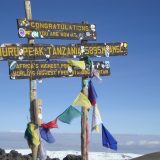
Summit Zone: The summit area around Uhuru Peak is extremely cold and can experience strong winds, ice, snow, and freezing temperatures. Trekkers should be prepared for severe cold regardless of the season.
What Is the Best Month to Climb?
There is no single month that is guaranteed to provide perfect weather on Mount Kilimanjaro. Mountain conditions are variable, and weather patterns can change quickly.
For travelers prioritizing generally favorable trekking conditions, June to October and January to February are commonly preferred periods.
The choice ultimately depends on your preferred combination of weather, availability, crowd levels, and travel schedule.
Is a 4-Day Marangu Route Trek Suitable for Every Season?
The Marangu Route is available year-round, but the 4-day itinerary is physically demanding and provides limited time for acclimatization.
Because altitude is a major factor on Kilimanjaro, choosing favorable weather alone does not guarantee a successful summit. Physical preparation, appropriate equipment, sensible pacing, hydration, and careful monitoring of altitude-related symptoms are essential.
Trekkers should be prepared for substantial temperature differences between the lower slopes and the summit.
Advantages of Choosing the Dry Season
Choosing a generally drier period can offer several potential advantages:
-
More favorable trail conditions
-
Lower likelihood of prolonged rainfall
-
Better opportunities for mountain views
-
More comfortable hiking conditions on many sections
-
Potentially easier logistics
However, the dry season is also the most popular period, so some sections and accommodation facilities can be busier.
Start Planning Your Marangu Route Adventure
The 4-day Marangu Route offers an extraordinary opportunity to experience the diverse landscapes of Mount Kilimanjaro and challenge yourself on the journey toward Uhuru Peak at 5,895 meters.
Whether you choose the dry season or a quieter period of the year, careful preparation and responsible trekking are key to making your Kilimanjaro experience memorable.
Choose your season, prepare for the mountain, and begin your journey to the Roof of Africa.
Book this Tour with Kilinge Adventures
Apart from this, you may read and write some reviews for us from Safari Bookings.
Also, you may read and write reviews for us from TripAdvisor
- Day 1
- Day 2
- Day 3
- Day 4
Marangu Gate – Mandara Hut
Elevation: 1,860 m to 2,720 m Distance: Approximately 8 km Hiking Time: 3–5 hours Habitat Zone: Montane Rainforest
Your Kilimanjaro adventure begins with a transfer to Marangu Gate. After completing the registration procedures and meeting your mountain crew, begin your hike through the lush montane rainforest.
The trail gradually ascends through beautiful vegetation, with opportunities to observe the unique flora and birdlife of the forest. Continue to Mandara Hut, where you will settle in and enjoy your first evening on the mountain.
Overnight: Mandara Hut Meals: Lunch & Dinner
Mandara Hut – Horombo Hut
Elevation: 2,720 m to 3,720 m Distance: Approximately 12 km Hiking Time: 5–7 hours Habitat Zone: Moorland
After breakfast, continue your ascent as the dense rainforest gradually gives way to open moorland.
The trail offers beautiful views across the highlands and, when weather conditions are favorable, views toward the Kibo and Mawenzi peaks.
Maintain a comfortable pace as you gain altitude and arrive at Horombo Hut in the afternoon. Enjoy dinner and rest while preparing for the higher elevations ahead.
Overnight: Horombo Hut Meals: Breakfast, Lunch & Dinner
Horombo Hut – Kibo Hut
Elevation: 3,720 m to 4,703 m Distance: Approximately 10 km Hiking Time: 6–8 hours Habitat Zone: Alpine Desert
After breakfast, begin the ascent toward Kibo Hut. The vegetation becomes increasingly sparse as you enter the alpine desert zone.
The route crosses the expansive Saddle between Kibo and Mawenzi peaks. The landscape becomes increasingly rugged as you approach Kibo Hut and the summit zone.
After reaching Kibo Hut, enjoy an early dinner and prepare for the summit attempt. Your guide will provide a briefing before you rest for the challenging ascent ahead.
Overnight: Kibo Hut Meals: Breakfast, Lunch & Dinner
Kibo Hut – Uhuru Peak – Horombo Hut – Marangu Gate
Kibo Hut Elevation: 4,703 m Uhuru Peak Elevation: 5,895 m Hiking Time: Approximately 12–16 hours Habitat Zone: Alpine Desert & Arctic Zone
The summit day begins in the early hours of the morning. Accompanied by your experienced mountain guide, begin the demanding ascent toward the crater rim.
Continue toward Gilman's Point, then along the crater rim toward Stella Point. From Stella Point, continue toward Uhuru Peak, the highest point on Mount Kilimanjaro at 5,895 meters.
After reaching the summit, take time to celebrate your achievement and appreciate the spectacular surroundings, weather permitting.
Begin your descent toward Kibo Hut for a short rest before continuing to Horombo Hut. After a brief break, continue downhill through the moorland and rainforest toward Marangu Gate.
Upon reaching the gate, complete the final procedures and meet your transfer vehicle for the journey back to your hotel.
Meals: Breakfast, Lunch & Dinner